









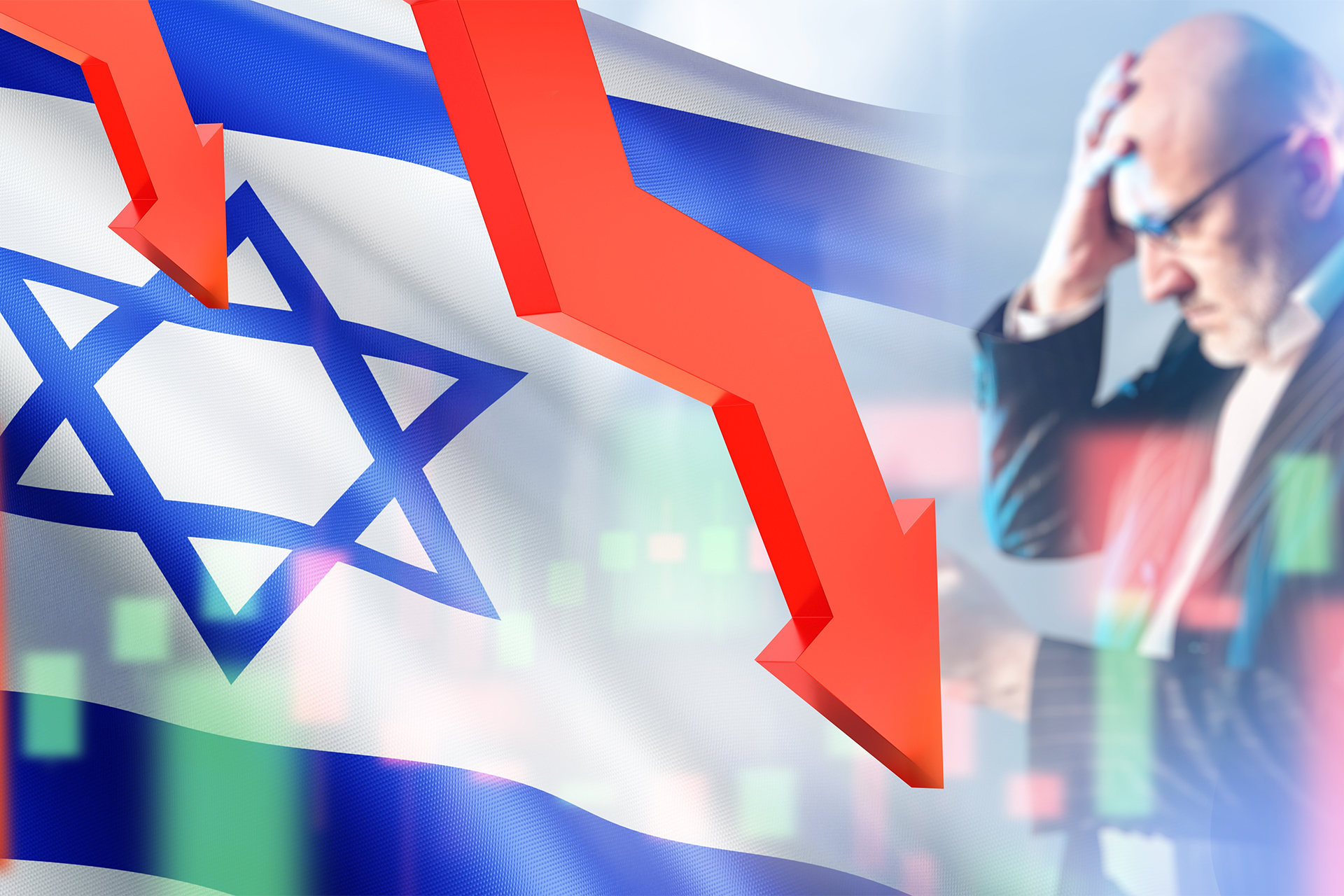
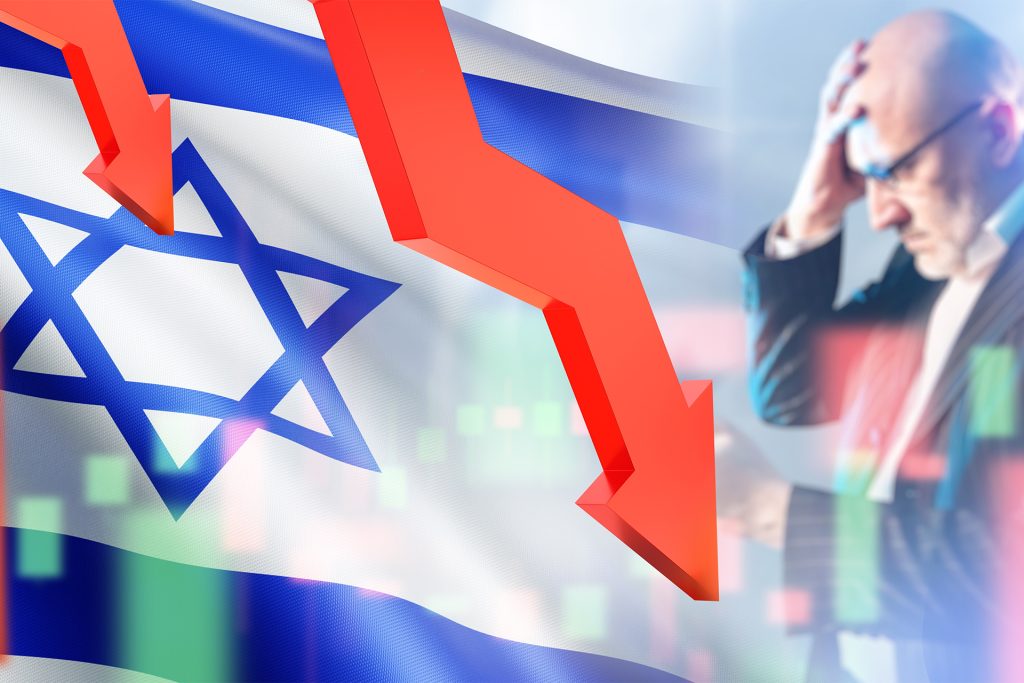
Israël fait face à une crise économique croissante alors que la guerre à Gaza se poursuit depuis deux ans, le Knesset ayant approuvé définitivement l’augmentation du plafond du déficit ciblé dans le budget 2025 à 5,2 % du PIB, contre 4,9 % auparavant.
Selon Reuters, cette décision résulte du besoin de financement supplémentaire pour les dépenses militaires, s’élevant à 31 milliards de shekels (9,35 milliards de dollars).
Dépenses militaires alourdissant les finances publiques
Un rapport du journal Calcalist a expliqué que sur les 31 milliards de shekels, 29 milliards (8,75 milliards de dollars) seront alloués directement au secteur de la sécurité, alors que les finances publiques subissent de fortes pressions.
Le journal a noté que cette expansion des dépenses entraînera une réduction globale de 3,35 % des budgets des ministères à partir de l’année prochaine. La proposition inclut également une coupe de 481 millions de shekels (145 millions de dollars) dans les allocations destinées aux enseignantes des écoles religieuses, après le gel des fonds pour les réformes éducatives.
Malgré les divisions au sein de la coalition, 55 députés ont voté en faveur de la décision contre 50 opposants, selon Reuters. Calcalist a souligné que les positions des partis religieux variaient ; le parti “Yahadut HaTorah” s’y est opposé, tandis que “Shas” l’a soutenu, estimant que les fonds seraient utilisés pour des “besoins existentiels tels que l’achat de munitions et les salaires des réservistes.”
Politique monétaire rigide en temps de guerre
Parallèlement, la Banque d’Israël a maintenu son taux d’intérêt de référence à 4,5 % pour la 14e réunion consécutive, confirmant – selon Reuters – qu’elle n’était pas pressée d’assouplir la politique monétaire malgré la baisse de l’inflation à 2,9 % en août contre 3,1 % en juillet.
Le rapport a ajouté que l’économie a rétréci de 4 % en glissement annuel au deuxième trimestre 2025, reflétant les pressions continues liées à la guerre.
Sur 12 analystes interrogés par Reuters, 9 prévoyaient le maintien des taux, tandis que 3 anticipaient une baisse de 25 points de base, mais l’incertitude économique a poussé la banque centrale à reporter tout changement.
Crise budgétaire 2026 et possibilité d’élections
Selon Calcalist, les discussions sur le budget 2026 sont toujours bloquées et ne seront pas approuvées avant le 31 décembre, suscitant des craintes de dissolution du gouvernement si elles ne sont pas ratifiées avant fin mars 2026, ce qui pourrait ouvrir la voie à des élections anticipées en juin.
Le journal ajoute que la décision finale revient au Premier ministre Benjamin Netanyahu, qui lie le sort du budget et le calendrier des élections aux résultats de sa rencontre de lundi avec le président américain Donald Trump.
Des partis d’extrême droite tels qu’Otzma Yehudit et le Sionisme religieux ont critiqué ce qu’ils appellent le “plan Trump en 21 points” pour mettre fin à la guerre, menaçant de se retirer de la coalition si Netanyahu adopte l’un de ses points.
Faute de solutions pratiques, la scène économique israélienne devient de plus en plus fragile dans un contexte d’isolement international croissant.


Recommended for you
طالب الرفاعى يؤرخ لتراث الفن الكويتى فى "دوخى.. تقاسيم الصَبا"
مدينة المعارض تنجز نحو 80% من استعداداتها لانطلاق معرض دمشق الدولي
الجغبير: القطاع الصناعي يقود النمو الاقتصادي
تقديم طلبات القبول الموحد الثلاثاء و640 طالبا سيتم قبولهم في الطب
البريد المصري: لدينا أكثر من 10 ملايين عميل في حساب التوفير.. ونوفر عوائد يومية وشهرية وسنوية
سمو الشيخ عيسى بن سلمان بن حمد آل خليفة يستقبل سفير الولايات المتحدة الأمريكية لدى مملكة البحرين