






The European Union confirmed on Monday the reimposition of broad sanctions on Iran due to its nuclear program, following a similar move by the United Nations which activated the “snapback” mechanism under the 2015 nuclear deal over the weekend. Meanwhile, Britain imposed new restrictions on Iranian officials and entities, while Germany, France, and Britain announced they will continue the “diplomatic track and negotiations” despite the UN sanctions being reinstated on Iran.
The UN sanctions on Iran include a ban on dealings with Tehran’s nuclear and missile activities, as well as financial measures including freezing assets in the Iranian central bank.
Simultaneously, the British government announced new sanctions on 71 Iranian individuals and entities, including senior officials in the nuclear program, financial institutions, and energy companies, involving asset freezes, financial restrictions, and travel bans.
Germany, France, and Britain issued a joint statement published by the German Foreign Ministry on Monday, affirming they will continue the “diplomatic track and negotiations” despite the UN sanctions reimposition on Iran.
The statement said, “The reimposition of UN sanctions does not mean the end of diplomacy. We urge Iran not to take any escalatory measures and to continue complying with its legally binding safeguard obligations.”
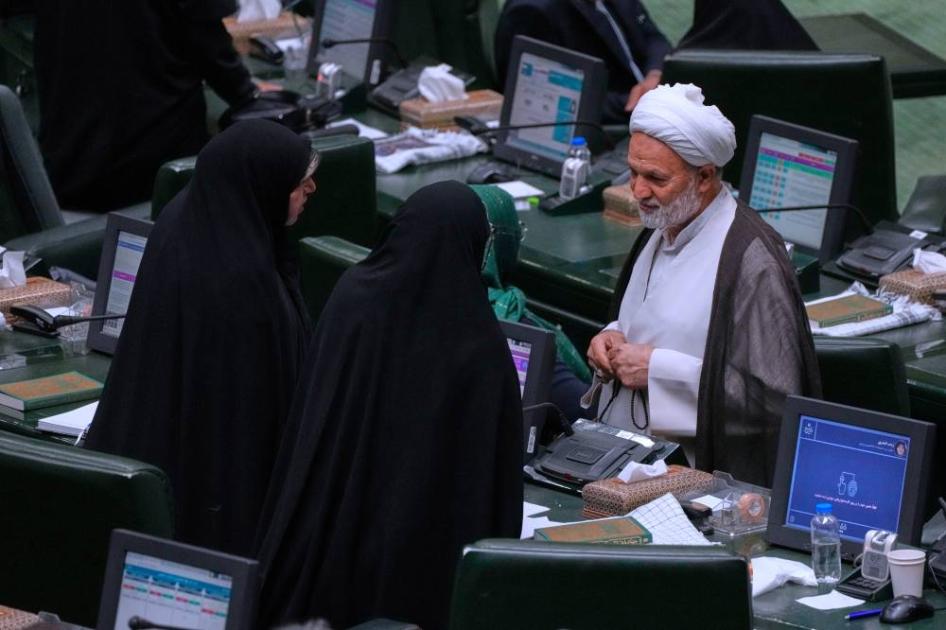
Iran quickly condemned the move, describing it as “unjustified,” and through its Foreign Ministry confirmed it will respond “firmly” to any infringement on its interests. Iranian President Masoud Pezeshkian stated that subjugating or dominating the Iranian people is a mere illusion, stressing that his country will not succumb to any external pressure regardless of its intensity. He also rejected entering nuclear negotiations “that may bring new problems.”
The reactivation of sanctions quickly impacted the economic situation, with the Iranian rial falling to about 1.1 million per US dollar compared to 900,000 in early August, raising fears among the population of further living standard deterioration.
EU foreign policy chief Kaya Kallas emphasized that the sanctions “do not represent the end of diplomacy with Iran,” while US Secretary of State Marco Rubio called on Tehran for direct talks, affirming that “reaching an agreement remains the best option.”
However, the European troika considered that Iran has not taken concrete steps to resume negotiations or allow international inspectors access to its nuclear sites, while Tehran rejected Washington’s request to hand over its stockpile of enriched uranium.
Russia and China proposed extending the sanctions lifting deadline by six months to give diplomacy additional space, but the proposal was rejected in a Security Council vote.
The 2015 nuclear deal had allowed the lifting of international sanctions on Tehran in exchange for strict limits on its nuclear program, but the US withdrawal in 2018 gradually led Iran to backtrack on key commitments, especially uranium enrichment levels.
(Agencies)
Recommended for you
Talib Al-Rifai Chronicles Kuwaiti Art Heritage in "Doukhi.. Tasaseem Al-Saba"
Exhibition City Completes About 80% of Preparations for the Damascus International Fair Launch
Al-Jaghbeer: The Industrial Sector Leads Economic Growth
Unified Admission Applications Start Tuesday with 640 Students to be Accepted in Medicine
Egypt Post: We Have Over 10 Million Customers in Savings Accounts and Offer Daily, Monthly, and Annual Returns
His Highness Sheikh Isa bin Salman bin Hamad Al Khalifa Receives the United States Ambassador to the Kingdom of Bahrain